
• 21 August 2026

Eelectro-Oxidation Solution & Lithium Battery Wastewater Treatment


In this section, we will discuss about the Lithium-ion battery sector trends, sources of Lithium battery wastewater, and compositions of Lithium-ion battery wastewater, and then current treatment technologies and approaches adopted to treat complex Lithium-ion battery waste streams, applications of electrochemical oxidation technology in lithium battery wastewater treatment processes.
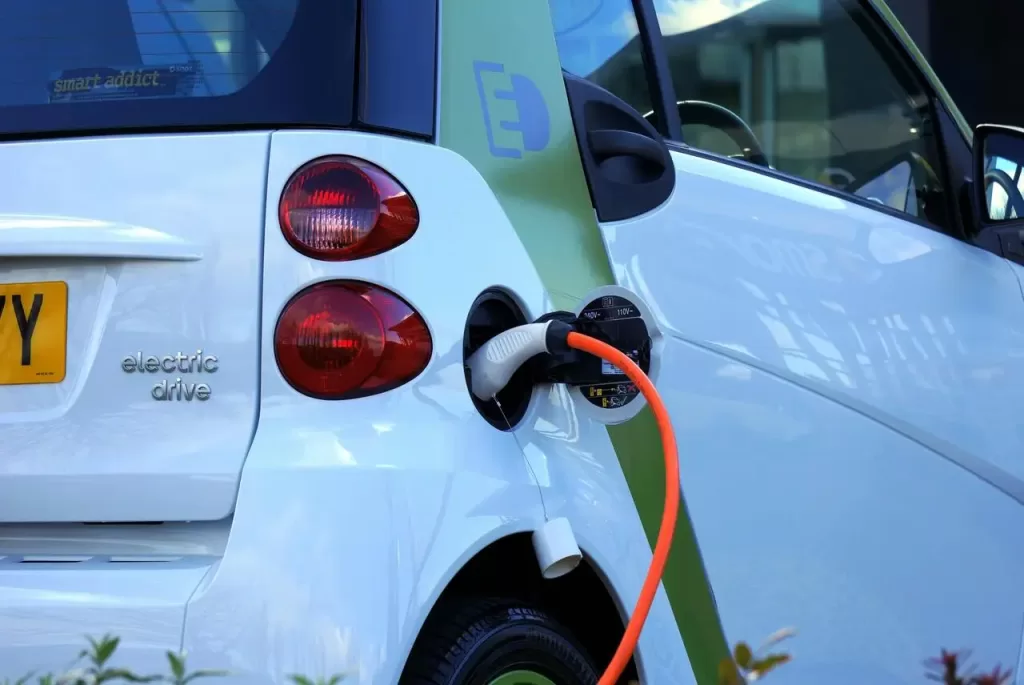


Electric vehicles with Lithium-ion batteries as their major power sources, to alter the combustion engine, by emitting higher efficiency and less emissions, meanwhile LIB have became one of the most favorable options for renewable energy storages, especially solar energy storage, and most of the rechargeable consumer electronic manufacturers adopted LIB as major energy storage source.


The demand for cathode materials and ternary materials anticipated to grow at a compound annual growth rate of 48.9% and 37.1% individually. Lithium battery wastewater, especially wastewater from the LIB manufacturing processes are generated in bulk as we speak.


Sources of Lithium Battery Wastewater Within The Manufacturing Processes


Extraction Processing

Brine extraction and lithium-ore mining are the major lithium extraction processes to get lithium, brine extraction is a method to get lithium salts via evaporation of brine, solid lithium ore mining invloves crushing and grinding of hard rocks, and chemical separation followed, these extraction processes can generate contaminated water.


Electrode Fabrication

These electrode preparation processes and steps generate wastewater, for instance, cathodic and anodic electrode materials fabrication processes, electrolytes and coating materials preparation, electrode materials and layers, the manufacturing facilities cleaning processes, the processes we mentioned above generate complex wastewater.


Washing Down

Formation area process is the place to conduct electorde formation, initial charging, discharging and conditioning of newly assembled batteries, these processes generate waste streams with a complity of electrolytes, heavy metals, and huge amount of recaltriant organic compounds, and organic solvents.


curing and rinsing

Curing of binder materials to improve their overall adhensions, cross-linking of battery components, cleaning residual contaminants from materials and components, plate curing and rinsing process generate water sources with complex contents.


Cooling Processes

Cooling towers are critical when it comes to process cooling, reaction control, and preventing over-heat damages in LIB battery manufacturing processes and stages, cooling process generate waste streams with dissolved solids, chemicals.


Production Site cleaning

Clening of all the electrode fabrication sites, places for material and components, and electrolytes preparations, ground and production equipments invloved within the whole LIB battery manufacturing processes create extra water.


Lab Testing And Etc

Waste streams from the laboratory and relocating, transportations and etc contain organic pollutant, salts, heavy metals, acids, and electrolytes.


exhaust gas disposal

Exhaust gas processing and the web scrubbers system adopted to mitgate air pollution, remove pollutants from the air, generate waste streams.


LIB Wastewater Analysis

Share your LIB water profile to get assessments


Composition of Lithium Battery Wastewater Within The Manufacturing Processes


Heavy Metals

Metals widely adopted as cathodic electrode materials, for instance Cobalt (Co), Manganese (Mn) and Nickel (Ni) can be find in waste streams generated within the Lithium-ion battery manufacturing processes, especially electrode development and fabrication, formation area washing down, and etc.

Different concentration level of metals functions as cathode materials, current collector, structural components, basic part of battery cells, such as Cadmium (Cd), Iron (Fe), silver (Ag), copper (Cu), zinc (Zn), lead (Pb), aluminum (Al), mercury (Hg), and chromium (Cr) can be find in wastewater collected from the LIB manufacturing processes.

Exact content of these metals might be different as there are various types of compositions with exact battery and signifiicant differences with the LIB fabrication processes, while Lithium (Li) can always been found in different waste streams within the LIB manufacturing processes.

Acids and Bases

Huge amount of acids and bases are applied within the cathodic material synthesis processes and different stage of anode electrode material preparation procedures, there are acids and bases at very high concentration level within the lithium battery wastewater.

Organic Pollutants

Amongst the organic pollutants, there are organic electrolytes, usually LIB manufacturing wastewaters are with huge amount of lithium salts such as LiPF6 (lithium hexafluorophosphate), LiPF4(Lithium Tetrafluorooxalatophosphate).

Followed by dissolved organic electrolytes such as dimethyl carbonate (DMC, OC(OCH3)2), EMC (ethyl methyl carbonate, C4H8O3), and ethylene carbonate (EC, C3H4O3), and then organic solvents, for instance, NMP (N-methylpyrrolidone) applied for electrode fabrication.

And there are other organic compounds such as cyclohexylbenzene (C12H16), ethylene glycol and ethylene glycol dimethyl ether (DME) according to field test.

Benefits of Electrochemical Oxidation for Lithum-ion Battery Wastewater Treatment

Based on years of testing at different scales, and Lithium-ion battery fabrication/manufacturing projects we participated within the last six years,the innovative electro-oxidation technology are proven to be effective in efficient removal of persistent organic pollutants in lithium battery wastewater, and allow water reusing.

Effective Removal of Challenging Compounds

Electrochemical oxidation technology achieved great oxidation and removal efficiency toward complex organic pollutants such as organic solvents, electrolytes, and etc, find in lithium battery wastewater, these organic compounds are very challenging for conventional treatment methods.

Minimal Chemical Input, less Impurity Generations

Unlike other chemical treatment technologies, electro-oxidation does not require additionals of extra hazardous chemicals. What is more, there will be less impurities and sludges once combining other treatment methods as pre- and post-treatment for electro-oxidation processes, and mitigating generation of toxic byproducts by optimizing operation parameters, smothering free cholrine, developing new electrode materials.

Recovery of Precious Metals

Electro-oxidation technology is an approach for recovering various types of valuable metals from lithium-ion battery wastewater, and major pathways are anodic oxidation that is losing electrons, and then metal ions migrate to the cathodes, and recovery to metals via electro-reduction, that is gaining electrons.

Coupling With Other Technologies To Enhance Comprehensive Performances

There are physical treatment methods, membrane technologies, for instance, ultra-filtrations (UF), reverse osmosis (RO) can be adopted as pre-treatment of electro-oxidation to remove large particles, certain pollutants, and improve EO treatment efficiency, adsorptions to recover resources and remove pollutants.

Meanwhile combination of advanced chemical approaches like chemical approaches, e.g, electrocoagulation to remove suspended solid and particles, organic compounds, and advanced oxidation processes (AOPs) to accompolish almost complete removal of organic pollutants.

And what is more, electro-oxidation technology can be adopted as pre-treatment for biological treatment to enhance biodegradability, aimed to achieve removal of both organic and inorganic pollutants.

Ease of Operation & Low Maintenance

With minimal chemical inputs and way less sludge generations, and modular electro-oxidation treatment units are designed to installed on-site, and what is more, equiped with advanced automatic instruments, remote control access, EO treatment systems and equipments are easy to operate, and requires no or few maintenances, which means it will reduce down time, and ensures constant operation of your wastewater treatment plants.